Cruise deals on KKday
Cruise search · Live fares
Search Mexican Riviera sailings from three-night Baja hops to the full seven-night Cabo–Mazatlán–Puerto Vallarta loop, with live cabin prices.
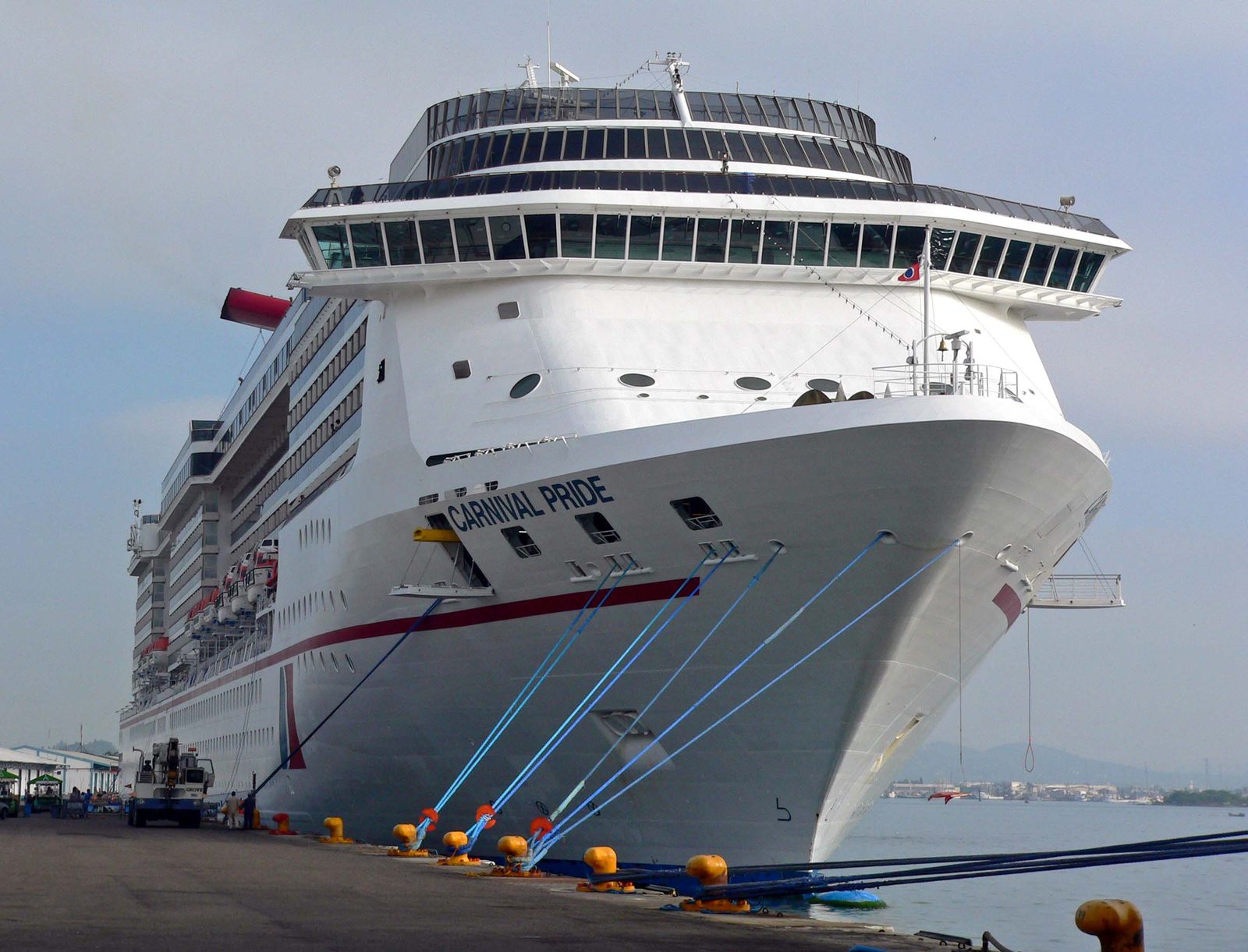
Cruiselines.si · Cruise guides
Desert arches, golden old towns and the biggest bay in Mexico — the West Coast's classic week at sea, sailing from California.
The classic Cabo–Mazatlán–Puerto Vallarta loop sails all season from LA and Long Beach — compare lines, ships and cabin prices here.
Cruise search · Live fares
Search Mexican Riviera sailings from three-night Baja hops to the full seven-night Cabo–Mazatlán–Puerto Vallarta loop, with live cabin prices.
Port tours · Tickets · Activities
Cabo snorkeling and arch boat trips, Puerto Vallarta food tours and Mazatlán's old-town walks — the Riviera's best port days, reserved in advance.
The Mexican Riviera is the West Coast's answer to the Caribbean — and in some ways the more interesting trip. Instead of resort islands built for ships, its ports are real Mexican cities with centuries of their own history, strung down a desert-meets-jungle Pacific coast. The standard seven-night loop from Los Angeles or Long Beach calls at Cabo San Lucas, Mazatlán and Puerto Vallarta. Here is what each stop actually offers.
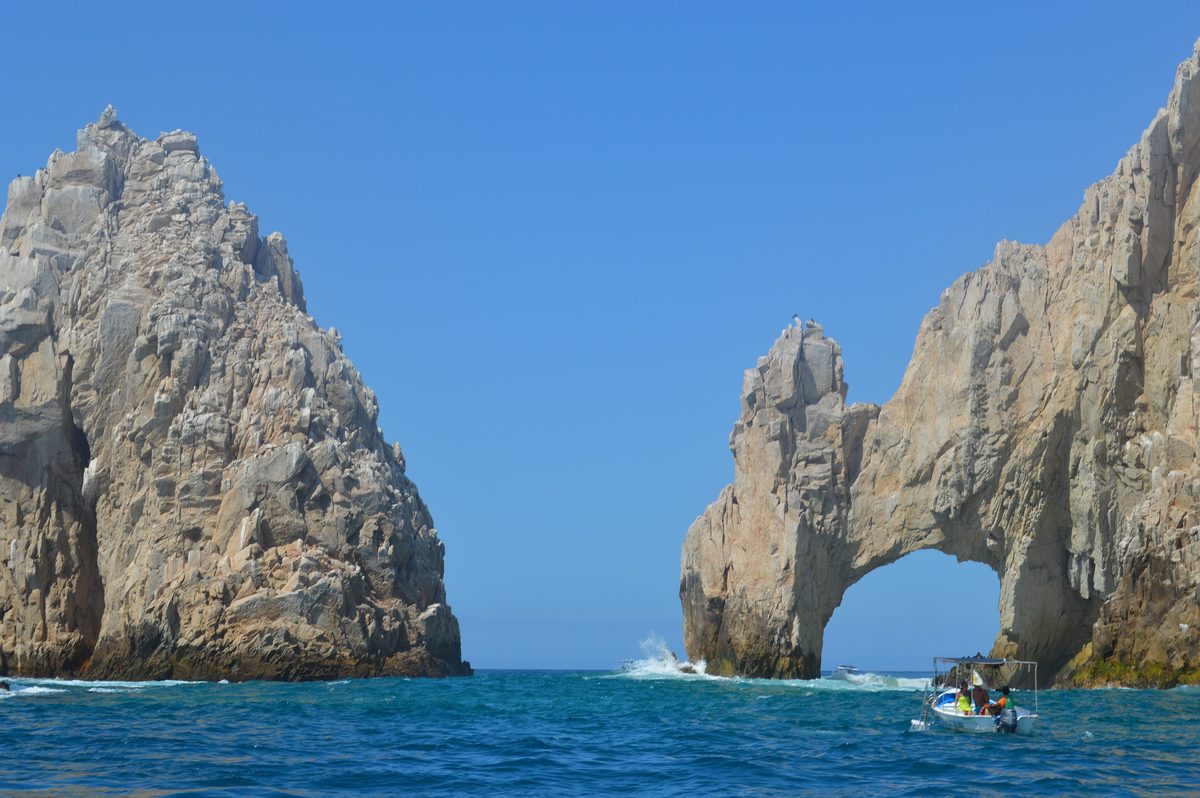
Every Riviera cruise opens with the photograph: El Arco, the granite arch where the Pacific meets the Sea of Cortés, with sea lions barking on the rocks below. Ships anchor out and tender you into a marina town built for pleasure — sportfishing fleets, beach clubs on Médano Beach, and boat tours to the arch and Lover's Beach. Cabo is the route's resort stop, priced like one; the move is the water. Snorkel at Chileno Bay, ride a glass-bottom boat past the arch, or fish the marlin grounds that made the town famous.
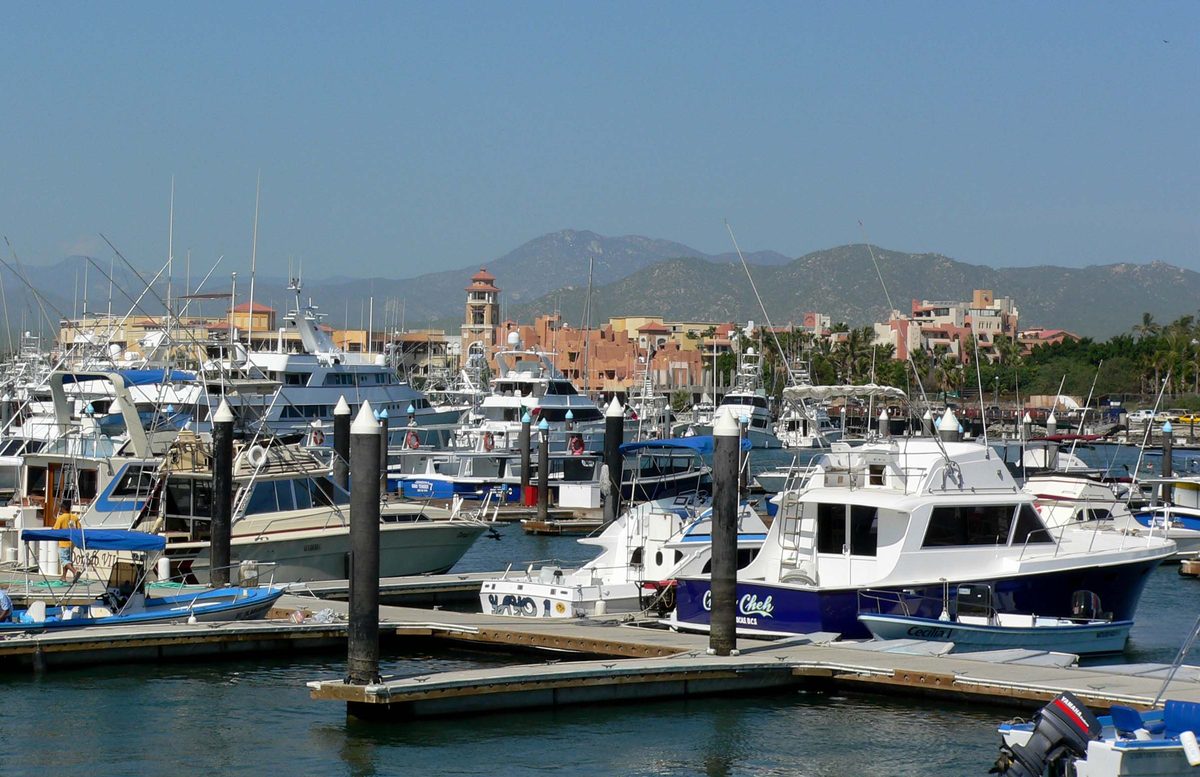
Around the marina, Cabo runs on boats: pangas ferrying visitors to the arch, yachts heading out at dawn, vendors selling the morning catch. The tender pier drops you steps from it all. Walk the marina boardwalk for the pelicans and the people-watching, book water taxis by the hour rather than the tour, and save your souvenir shopping for Mazatlán and Vallarta, where the same goods cost noticeably less. In whale season — December through March — even the tender ride can pass a breaching humpback.
Mazatlán is the Riviera's working city: a great shrimping port with a restored colonial old town, a 21-kilometer malecón, and prices that remind you Mexico is not a resort product. From the cruise terminal, local guides and the famous open-air pulmonía taxis fan out to the sights — the cathedral and Plazuela Machado in the Centro Histórico, the El Faro lighthouse climb, the cliff divers at El Clavadista, and Stone Island's long palapa beach across the harbor. This is the stop for shrimp aguachile at a beach shack and banda music on the plaza. It is also the port our sister site knows street by street — arrive curious and give it the full day.
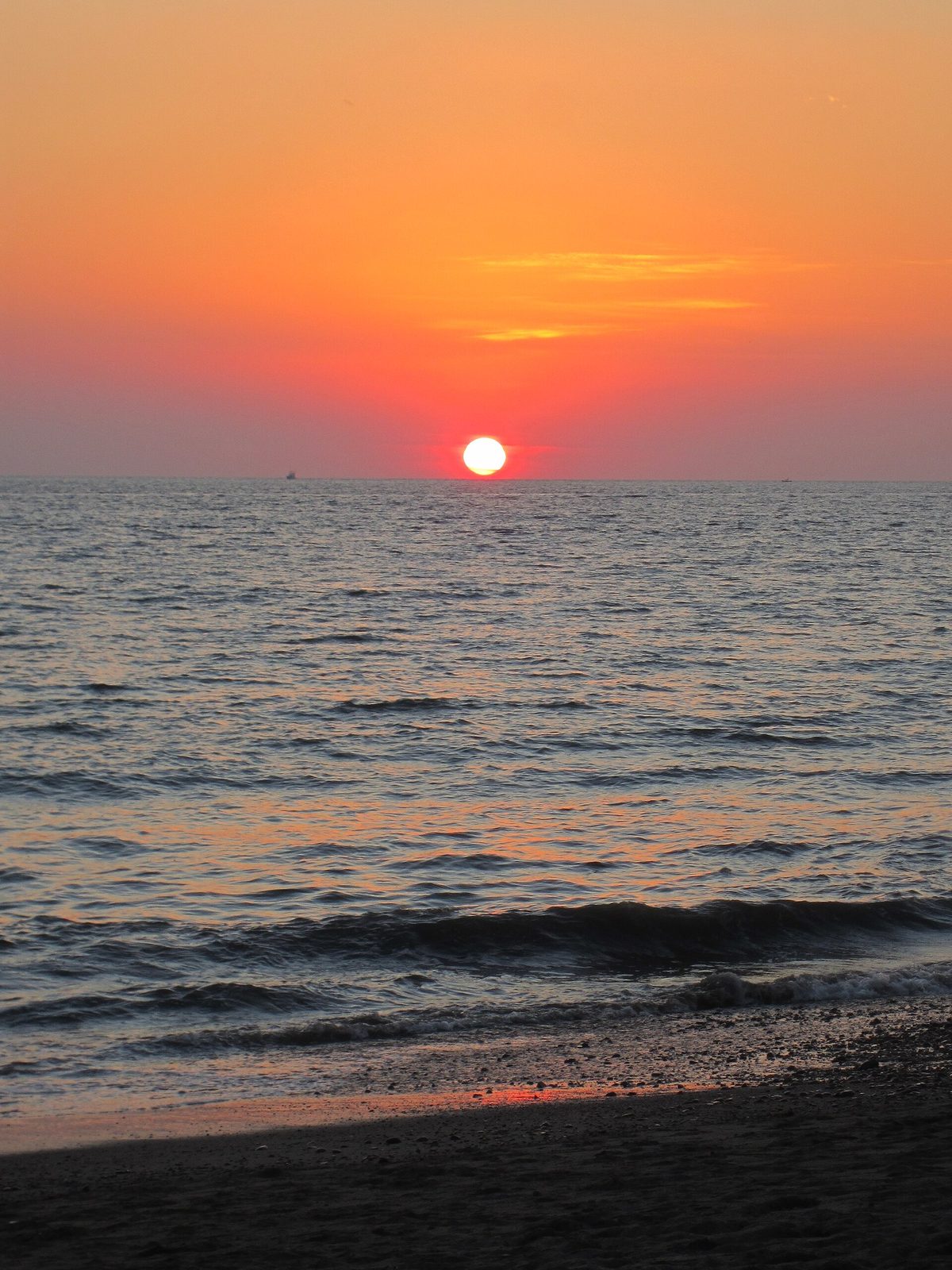
The loop's southern anchor fills the shore of Banderas Bay, one of Mexico's largest, backed by the green wall of the Sierra Madre. The ship docks across from a marina district, ten minutes from the malecón — a mile of oceanfront sculpture, street performers and the Church of Our Lady of Guadalupe's crown-topped tower. South of town, water taxis run to Yelapa's waterfall cove; north, the bay's humpbacks perform all winter. Vallarta rewards wandering: cobblestone streets, the Cuale river island market, and taco stands that justify the entire cruise.
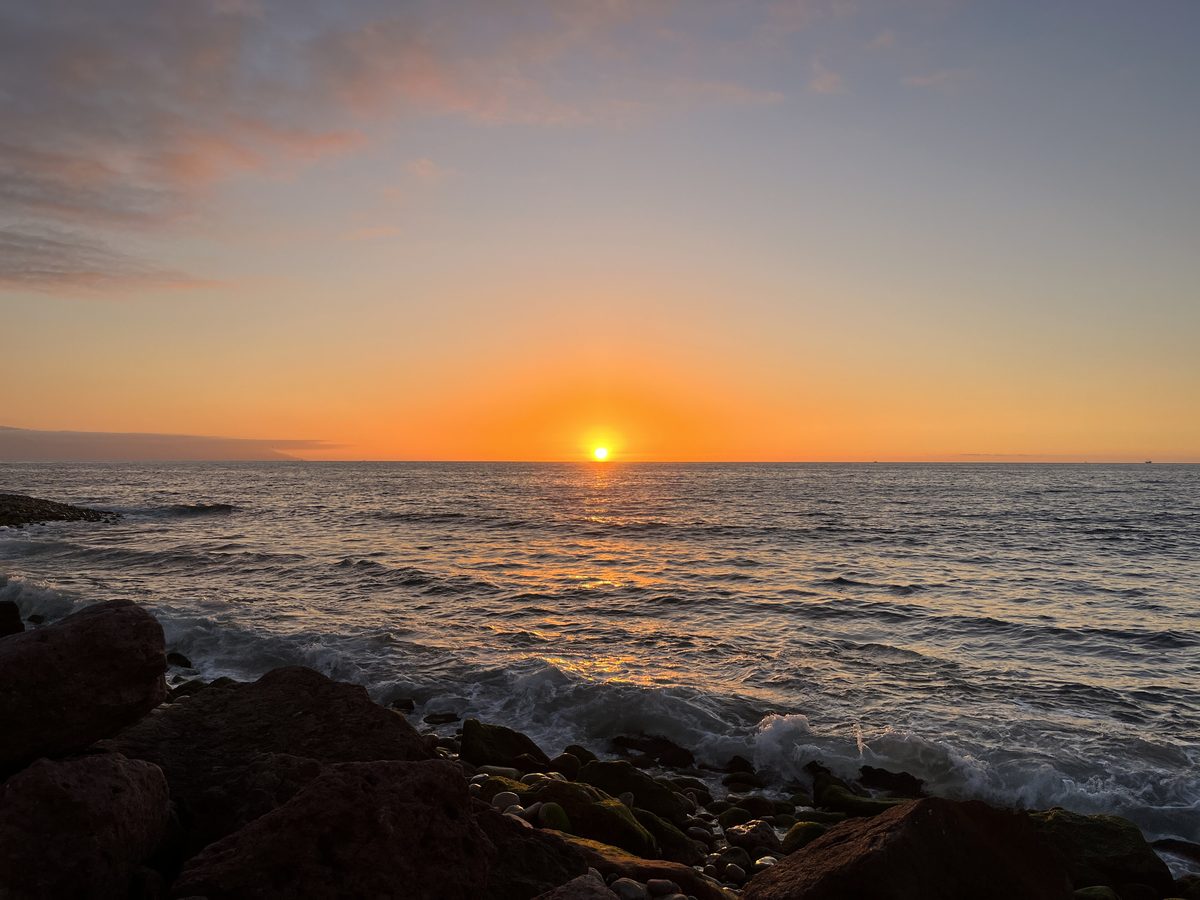
The Riviera loop is built around two sea days — one southbound, one coming home — and they are the route's quiet glory. The coast of Baja slides by on one side, the open Pacific burns down on the other, and the whole ship migrates to the west-facing rails at golden hour. Winter crossings can be cool on deck; bring the layer. Use the sea days the local way: long breakfast, the pool deck by ten, a siesta, and a front-row seat for the sunset show that the Caribbean, facing the wrong way at dinner time, rarely matches.
Not every Riviera sailing is a week. Three- and four-night cruises from LA and Long Beach run to Ensenada — sometimes adding Catalina Island — as the West Coast's long-weekend cruise. Ensenada plays its part well: fish tacos where they were invented, Baja wine country in the Valle de Guadalupe an excursion inland, and La Bufadora blowhole for the classic half-day tour. Short runs draw a party crowd on holiday weekends and quiet, cheap sailings midweek. For a first taste of cruising from the West Coast — or a test run before committing to the full loop — they are the obvious start; our first-timer guide covers what to expect aboard.
Whale season is the headline. From December to March, gray whales migrate past the Baja coast and humpbacks calve and breach in Banderas Bay — visible from the ship, the tender, even the beach. If wildlife matters to you, those months outrank every price consideration on this route.
Cabo's arch, Mazatlán's old town and Vallarta's bay in one week from LA — compare the fleet and the fares.
October through May is the season, with the driest, most comfortable weather from November to April. December to March adds the great bonus: gray whales calving in the Baja lagoons and humpbacks breaching off Puerto Vallarta. Summer sailings run but bring heat, humidity and the Pacific hurricane season's tail.
Los Angeles (San Pedro) and Long Beach are the twin homes of the route, with San Diego sailing seasonally and San Francisco offering longer itineraries. The classic seven-night loop — Cabo San Lucas, Mazatlán, Puerto Vallarta — runs year-round-ish from LA/Long Beach on the big lines, usually Friday to Sunday departures.
The first and last days, sailing the open Pacific off Baja, can have genuine motion — more than a Caribbean week. The port days themselves are in sheltered bays and harbors. If motion worries you, choose a midship cabin, sail in late spring when the Pacific calms, and read our seasickness notes in the first-timer guide.
Drier landscapes, bigger surf, and ports with real old towns — Mazatlán and Puerto Vallarta were cities centuries before cruising, Cabo was a fishing village that became a resort. The water runs cooler than the Caribbean, the sunsets face the whole ship west, and the food — marlin tacos, aguachile, tequila at the source — is a headline act, not a buffet theme.
U.S. dollars are accepted in the port areas of Cabo, Mazatlán and Puerto Vallarta, though usually at a soft exchange rate. Pesos win for taxis, small restaurants and markets a few streets back. Cards work in established businesses. Bring small bills either way, and agree taxi fares before you ride — meters are rare.
More guides from Cruiselines.si — or head back to the cruise deals hub to start from the top.
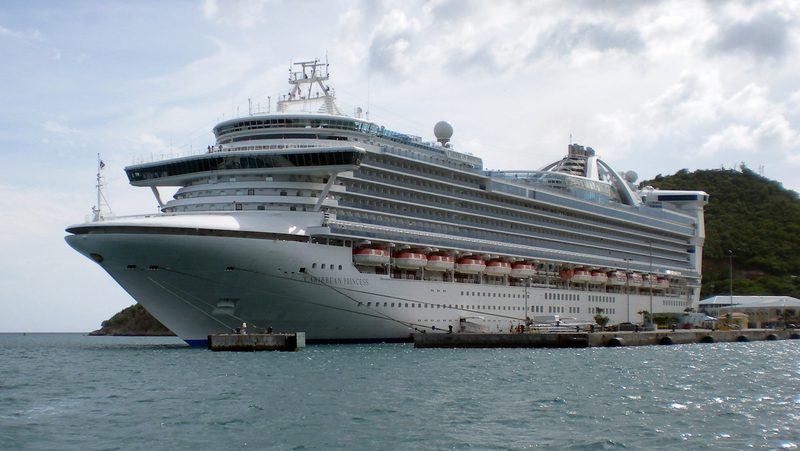
Eastern, Western and Southern routes compared — the ports, the beaches and the ships that sail them.
Read the guide →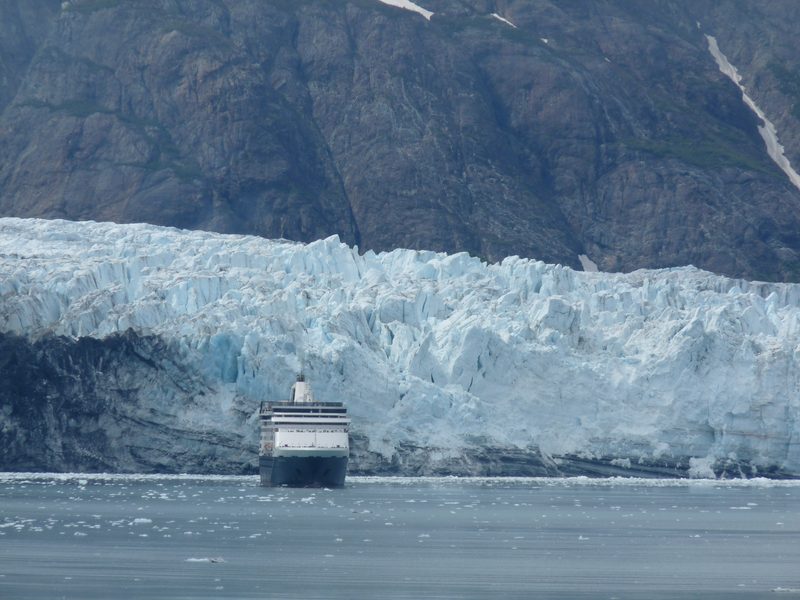
Glacier Bay, the Inside Passage and frontier ports — the great northern sailing season, explained.
Read the guide →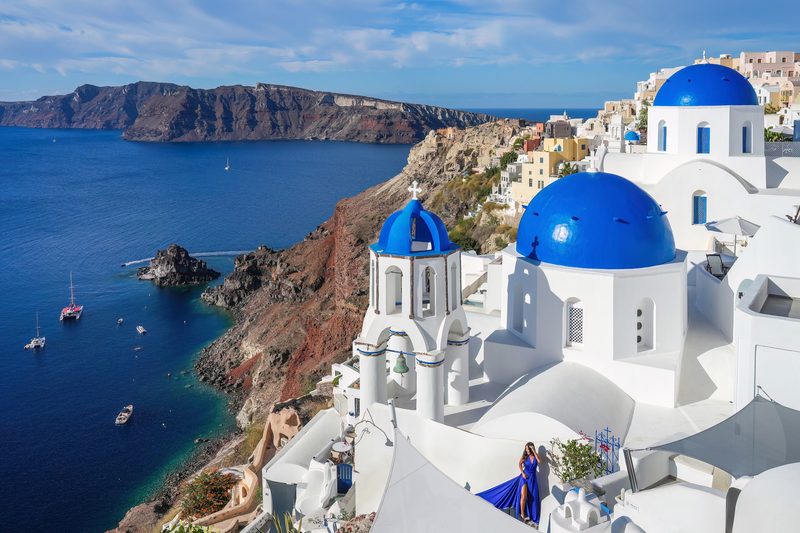
Santorini caldera mornings, Amalfi lemons, Dubrovnik's walls and the classic ports of the Med.
Read the guide →
How booking works, what is included, when to book and what to pack — start here.
Read the guide →