Cruise deals on KKday
Cruise search · Live fares
Search Mediterranean sailings from Barcelona, Rome (Civitavecchia), Athens (Piraeus) and Venice's ports, with live prices by cabin type.
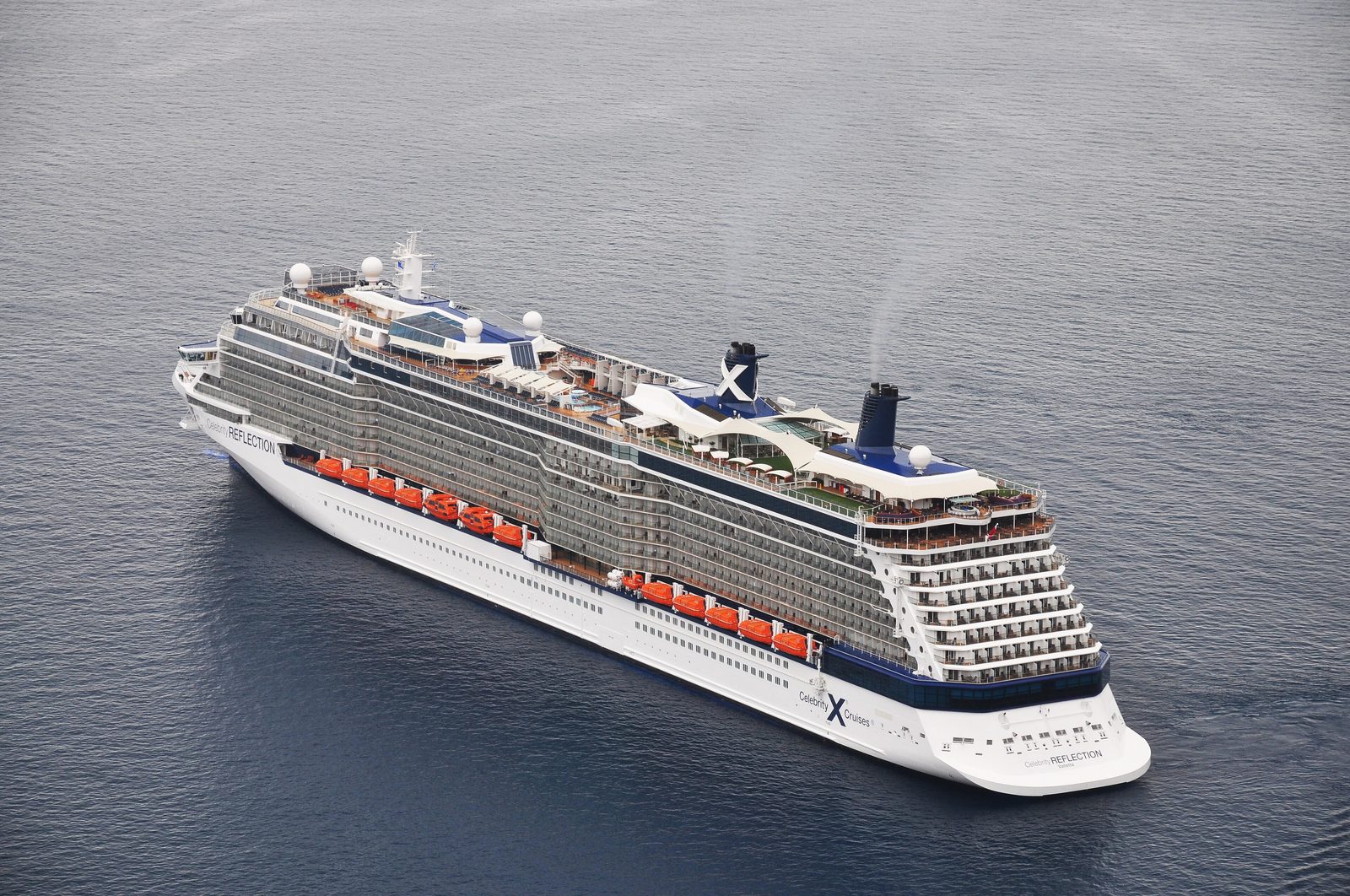
Cruiselines.si · Cruise guides
Two thousand years of history, a new port every morning, and lunch somewhere Cicero would recognize — the Med is cruising's grand tour.
Compare Western and Eastern Med itineraries side by side — and book early, before the season's best routes sell through.
Cruise search · Live fares
Search Mediterranean sailings from Barcelona, Rome (Civitavecchia), Athens (Piraeus) and Venice's ports, with live prices by cabin type.
Port tours · Tickets · Activities
Pompeii and Ephesus tours, Amalfi Coast drives and Greek-island day trips — on port-heavy Med itineraries, the excursions are the trip. Book them ahead.
No cruise region packs more per mile. A single week in the Mediterranean can hold a Roman forum, a Greek caldera, a Croatian fortress and a French Riviera lunch — with the ship doing the overnight miles while you sleep. The region sails in two halves, East and West, and choosing between them is the first real decision of the trip.
Barcelona is the region's great homeport: Gaudí's Sagrada Família and the Gothic Quarter before you even sail. From there the classic loop runs to Marseille or Palma, then Italy — Livorno for Florence and Pisa, Civitavecchia for Rome, Naples for Pompeii and the Amalfi Coast. The art is overwhelming and the distances inland are real, which shapes the rhythm: early starts, big days, sea-day naps. First-timers and museum people should start West, and give Rome its full day — the Vatican alone can swallow it.
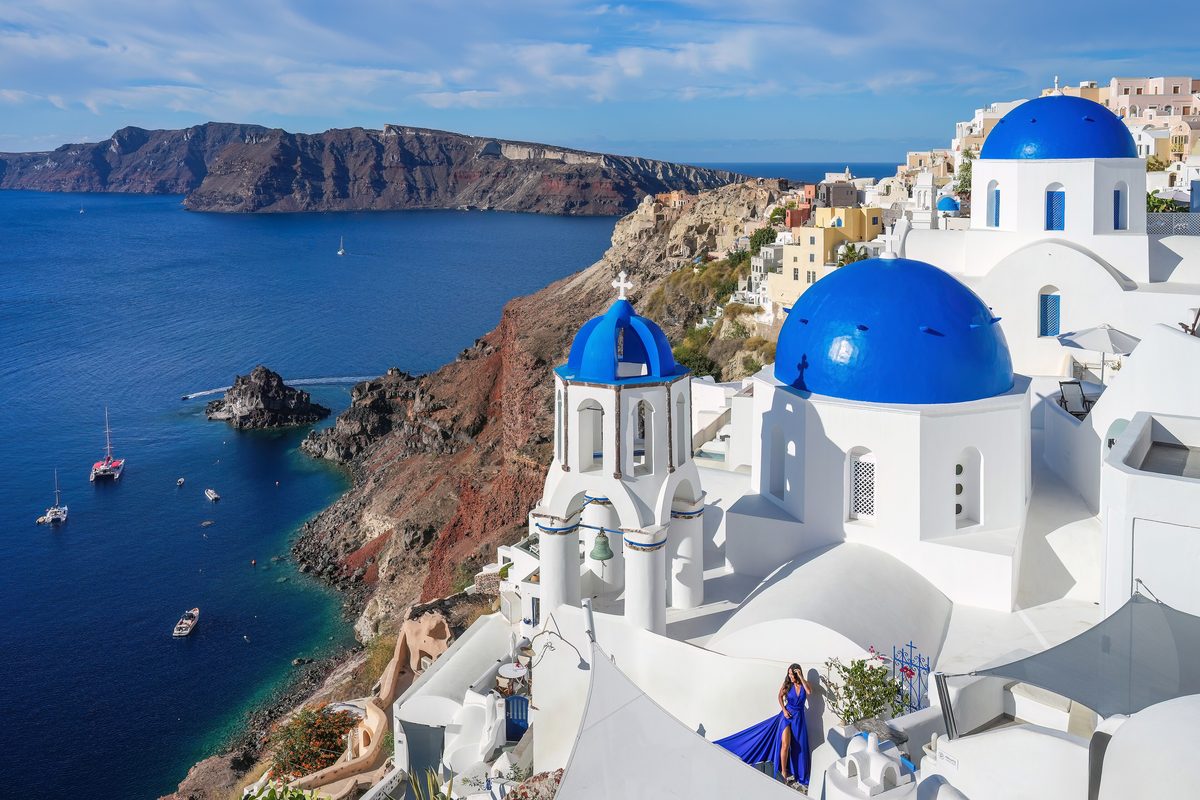
East is where the Mediterranean becomes a screensaver. Ships thread the Aegean between whitewashed islands: Mykonos and its windmills, Rhodes and its crusader streets, Crete's palaces and harbors. The signature moment is Santorini, where the ship anchors in a drowned volcano and tenders run to the cliff base — ride the cable car up, walk the caldera rim from Fira to Oia, and be back aboard for the sunset the whole ship turns out to watch. Book excursions early here; the famous ports are small and the summer ships are many.
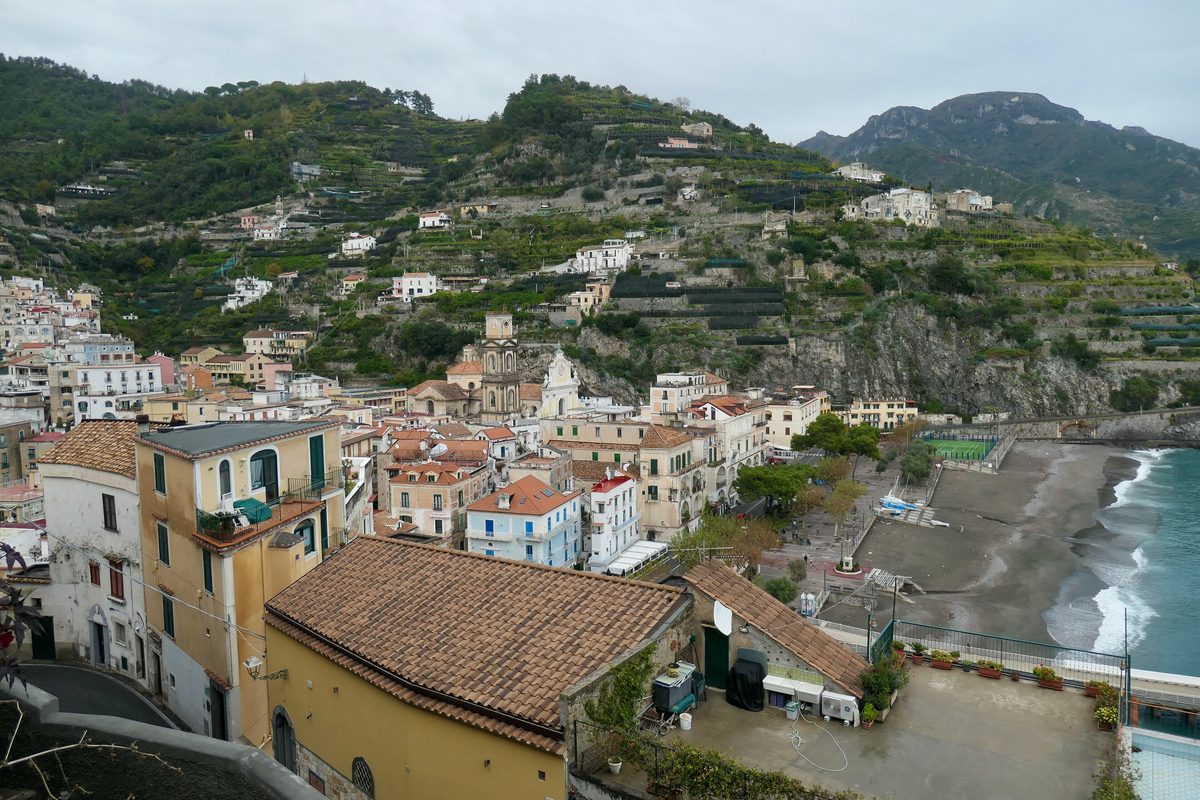
Naples is the hardest-working port in the Med: Pompeii and Herculaneum, Capri's Blue Grotto, and the Amalfi Coast's vertical villages all leave from the same dock. Positano from the water is the photograph everyone comes home with. Sicily adds Greek temples at Agrigento and Taormina's theater above the sea; Sardinia and Malta — Valletta's grand harbor is one of the great sail-ins in cruising — round out the southern circuit. Eat ashore here whenever you can. The ship's buffet will forgive you.
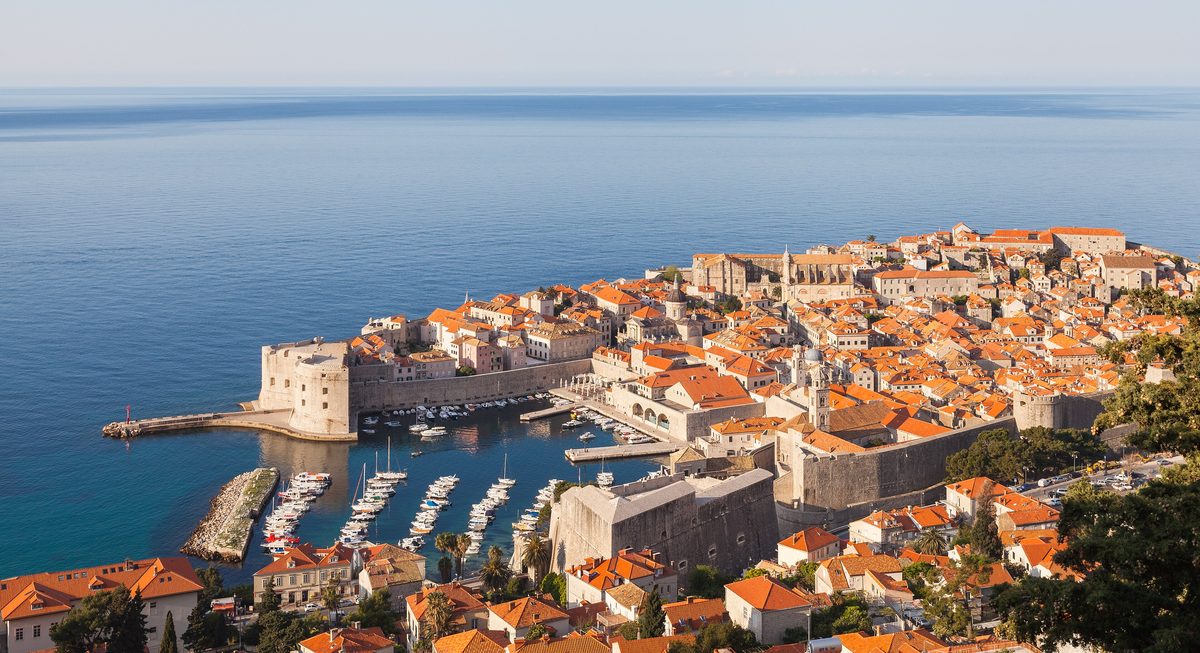
Dubrovnik's marble streets and complete medieval walls justify every bit of their fame — walk the wall circuit early, before the day ships peak, then swim from the rocks below it. North along Croatia's coast, Split hides a Roman emperor's palace inside a living city, and the islands — Hvar, Korčula, Vis — are the Adriatic at its laziest and best. Venice itself now hosts fewer big ships, with many lines using Trieste or Ravenna instead; the sail-away past St. Mark's, when you catch it on smaller ships, remains cruising's most beautiful departure.
The western shore runs on pleasure: Palma de Mallorca's Gothic cathedral and beach clubs, Valencia's futuristic arts city and original paella, then France — Marseille's old port for bouillabaisse, and the Riviera calls at Nice, Cannes or Villefranche, with Monaco an easy train hop. These are walk-off ports where the ship's excursion desk earns little of your money: rent nothing, plan a long lunch, and let the port be the tour. If your itinerary offers an overnight in Ibiza or Barcelona, take the shore evening — the Med's port cities are at their best after dinner.
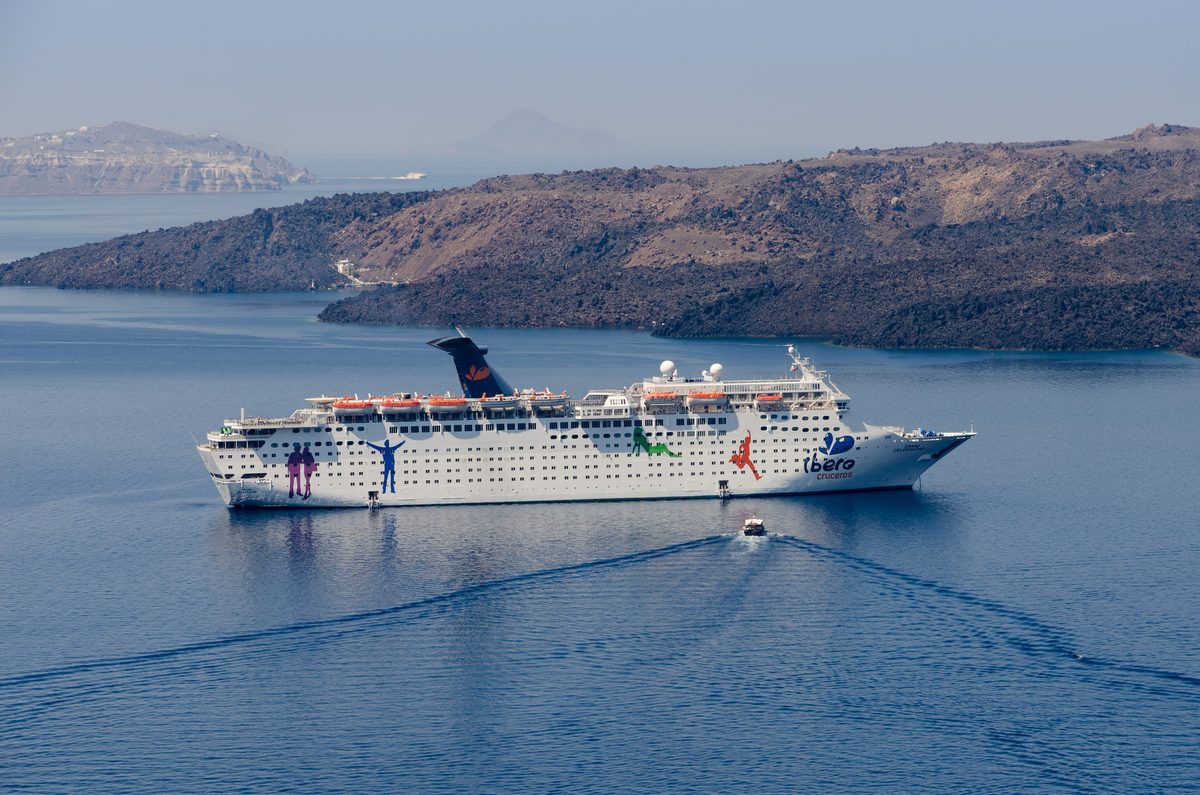
Med cruising is port-intensive — some weeks have no sea day at all — so the ship matters differently here: favor convenient dining hours, fast tender service and a good viewing deck over waterslides you will never use. Smaller and premium ships reach the ports big hulls skip and dock where others tender. Compare itineraries port by port rather than by headline, checking time ashore: a 7 a.m. to 3 p.m. call at Rome is a transfer with a tour attached, while a late stay in Santorini is worth a cheaper cabin. Start the comparison on our booking links above, then verify the shore hours before you pay.
Season smarts. The Med runs April to October. Shoulder months (May, late September) halve the crowds in Venice, Dubrovnik and Santorini. August is Europe's own holiday month — everything is open, everything is full, and the heat in Athens and Rome is serious. Pack for walking: these ports are climbed, not strolled.
Barcelona to Athens or the classic Western loop — compare ports, shore hours and prices across every line.
May, June and September are the connoisseur's months: warm seas, long days and ports at their best without peak crush. July and August bring the heat and the crowds — and the highest prices — but also the fullest festival season. The season runs April to October; winter sailings exist but many island ports go quiet.
Western (Spain, France, Italy) is the classic starter: Barcelona, Rome, Florence and the Riviera, with famous art at every stop. Eastern (Greece, Croatia, Turkey) is the scenic one: island-hopping, ancient ruins and swimming stops. Most first-timers start West; most second cruises go East. Seven nights covers either comfortably.
Seven nights is the standard circuit and barely scratches one coast. Ten to fourteen nights lets a ship combine coasts — Barcelona to Athens, say — or loop the Adriatic properly. Under seven days you will spend your port time sprinting; the Med rewards the longer sailing more than any other region.
Mostly yes — and it is one of the region's pleasures. Santorini, Dubrovnik, Palma and Valletta are walk-off ports. Rome and Florence sit an hour-plus inland from their ports (Civitavecchia, Livorno), where the ship's transfer or a booked tour protects your day. In tender ports, independent travelers should take the early tender and beat the crowd ashore.
The euro covers most ports; Croatia adopted it in 2023. Turkey uses the lira, though euros are widely accepted in port areas. English is spoken in every cruise port, ship excursions cover the rest, and a phrasebook-level please and thank-you still opens doors. Cards work everywhere; small cash suits cafés and markets.
More guides from Cruiselines.si — or head back to the cruise deals hub to start from the top.
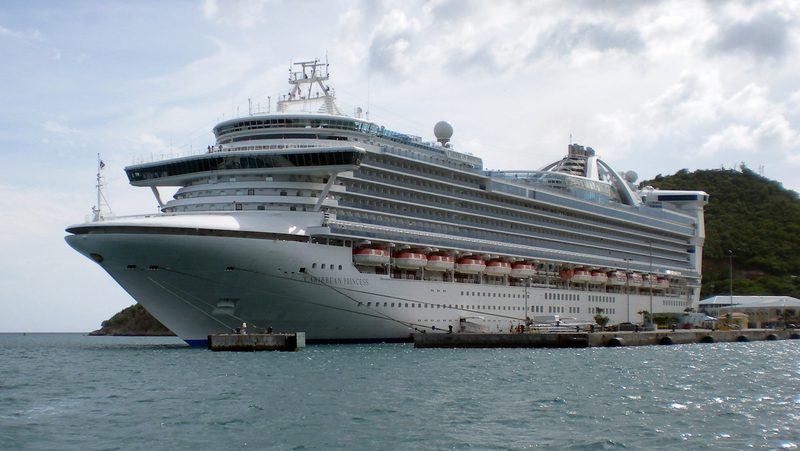
Eastern, Western and Southern routes compared — the ports, the beaches and the ships that sail them.
Read the guide →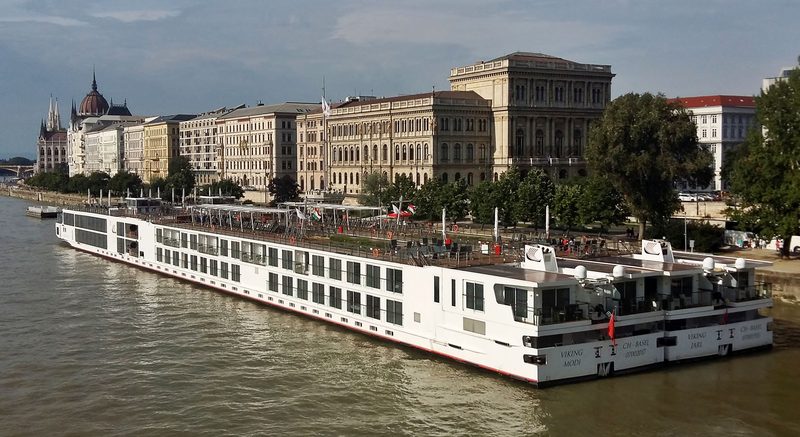
The Danube, the Rhine and beyond: small ships, old towns and a new port almost every day.
Read the guide →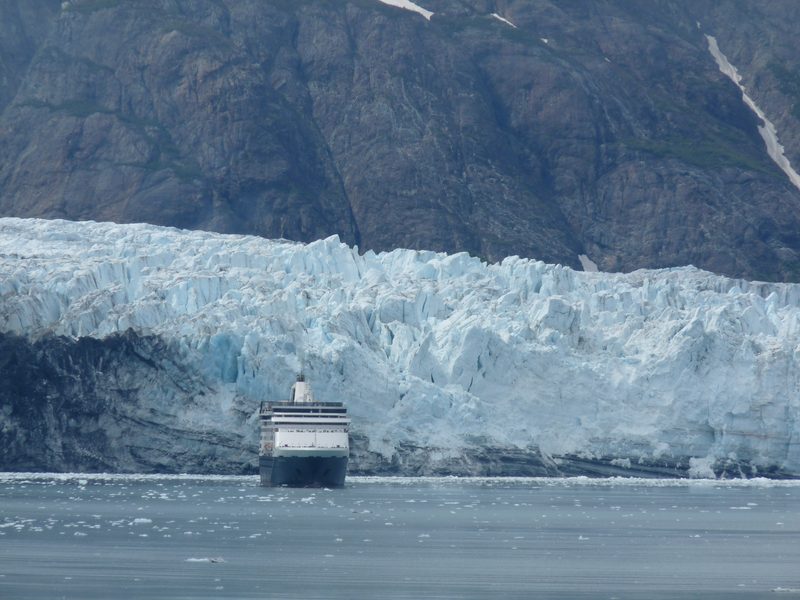
Glacier Bay, the Inside Passage and frontier ports — the great northern sailing season, explained.
Read the guide →
How booking works, what is included, when to book and what to pack — start here.
Read the guide →